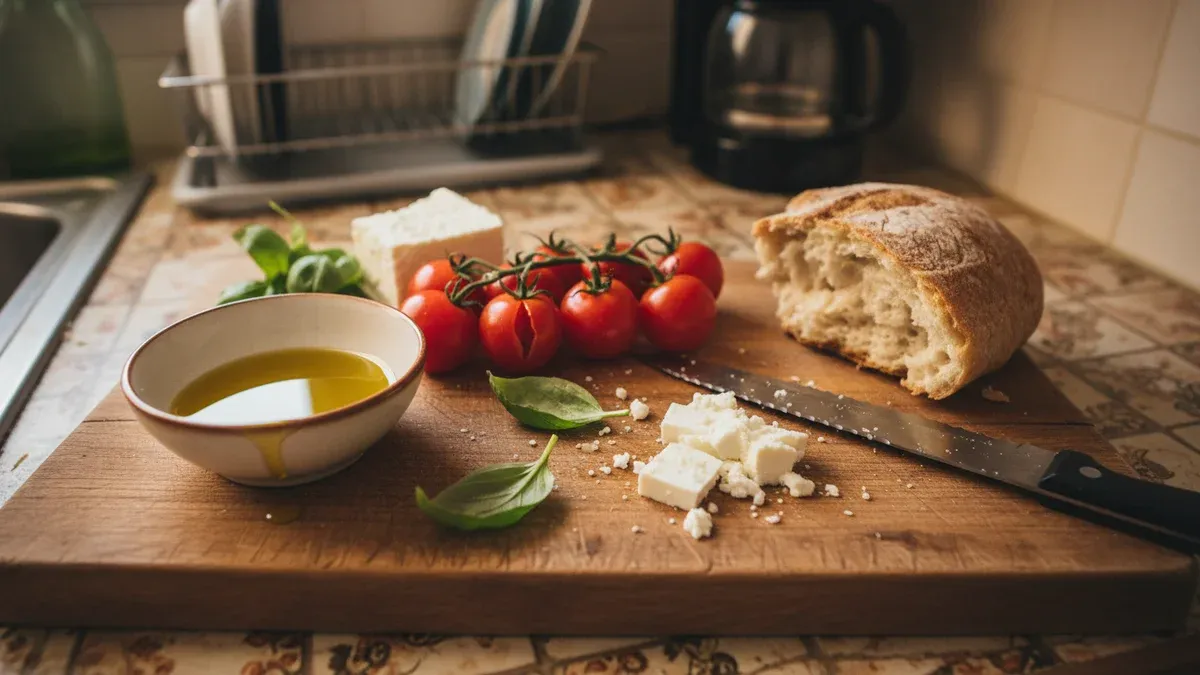
The Mediterranean diet consistently ranks as the healthiest eating pattern in the world — and it’s one of the most affordable. Unlike restrictive diets that ban entire food groups, the Mediterranean approach is built on foods that are naturally cheap: beans, lentils, whole grains, seasonal vegetables, olive oil, and small portions of fish and poultry. Research from the New England Journal of Medicine and dozens of follow-up studies show it reduces heart disease risk by up to 30%, improves brain health, and supports steady weight management.
The best part? It doesn’t feel like a “diet.” There’s no calorie counting, no macro tracking, and no forbidden foods. It’s closer to a philosophy: eat mostly plants, use good olive oil, enjoy meals with others, and stop treating food like a math problem.
Key Takeaways
- The Mediterranean diet emphasizes vegetables, whole grains, legumes, olive oil, fish, and moderate dairy — with red meat and sweets as occasional treats
- It’s one of the most budget-friendly diets because it relies on inexpensive staples: beans, lentils, rice, seasonal produce, and canned fish
- No food is strictly banned — the focus is on proportions, not restrictions
- Batch-cook grains, legumes, and sauces on the weekend to assemble quick Mediterranean meals all week
- Families with picky eaters can start with familiar foods (pasta, chicken, rice) and gradually introduce Mediterranean flavors
In This Article
What Is the Mediterranean Diet?
The Mediterranean diet isn’t a single set of rules — it’s a pattern of eating inspired by the traditional foods of countries bordering the Mediterranean Sea, particularly Greece, Italy, and Spain. These populations have some of the lowest rates of heart disease and longest life expectancies in the world, and researchers have been studying why since the 1960s.
The Mediterranean Diet Pyramid
Think of it as a pyramid, not a rulebook:
| Level | Foods | How Often |
|---|---|---|
| Base (eat most) | Vegetables, fruits, whole grains, beans, lentils, nuts, olive oil | Every meal |
| Middle | Fish, seafood, poultry, eggs, cheese, yogurt | A few times per week |
| Top (eat least) | Red meat, sweets, butter | Occasionally |
| Daily | Water, herbal tea | Throughout the day |
| In moderation | Red wine | Optional, 1 glass with dinner |
What Makes It Different From Other Diets
It doesn’t demonize any macronutrient. Carbs are fine (whole grains, legumes). Fat is fine (olive oil, nuts, fish). The focus is on quality, not elimination.
It’s flexible. No strict meal timing, no required supplements, no “phases.” You eat real food in sensible proportions.
It’s sustainable. People in Mediterranean countries have eaten this way for centuries. It’s not a 30-day challenge — it’s a way of life.
It’s social. Meals are meant to be shared. Eating slowly, with family or friends, is part of the philosophy. That might sound like a soft benefit, but research shows that slower eating leads to better portion control and improved digestion.
Why It’s One of the Most Budget-Friendly Diets
With grocery prices rising, the Mediterranean diet has a major advantage: its core ingredients are among the cheapest foods in any grocery store.
Cost Comparison: Mediterranean Staples vs. Standard Diet
| Mediterranean Staple | Cost/Serving | Comparable Standard Item | Cost/Serving |
|---|---|---|---|
| Dried lentils | $0.15-0.25 | Ground beef | $1.50-2.00 |
| Dried chickpeas | $0.15-0.25 | Chicken breast | $1.00-1.50 |
| Brown rice | $0.10-0.20 | Frozen pizza | $1.50-2.00 |
| Canned sardines | $0.75-1.00 | Fresh salmon | $3.00-5.00 |
| Eggs | $0.30-0.50 | Deli meat | $1.00-1.50 |
| Seasonal vegetables | $0.40-0.80 | Pre-made salads | $2.00-3.00 |
| Olive oil (per tbsp) | $0.15-0.25 | Butter (per tbsp) | $0.10-0.15 |
The pattern is clear: plant-based proteins (beans, lentils) cost a fraction of animal proteins. Whole grains are cheaper than processed alternatives. Seasonal vegetables beat pre-packaged options every time.
How to Keep Mediterranean Eating Affordable
Buy dried beans and lentils, not canned. Dried legumes cost 50-70% less than canned. A $2 bag of dried lentils makes about 10 servings. Soak overnight, cook in bulk, and refrigerate or freeze portions for the week.
Shop seasonally. The Mediterranean diet naturally follows the seasons — tomatoes in summer, root vegetables in winter, greens in spring. Seasonal produce is cheaper, tastier, and more nutritious. Check our seasonal meal planning guide for what to buy each month.
Use canned fish. Canned sardines, mackerel, and tuna deliver the same omega-3 benefits as fresh fish at a third of the price. Stock your pantry with a few varieties.
Make olive oil your primary cooking fat. A good bottle of extra-virgin olive oil seems expensive upfront ($8-12) but lasts weeks. Per tablespoon, it’s comparable to butter. Use it for cooking, dressing, and dipping bread — it replaces multiple other fats.
Cook from scratch. A pot of lentil soup costs about $3-4 total and feeds 4-6 people. The equivalent from a restaurant or prepared foods section? $15-20. Mediterranean cooking is inherently simple — most dishes need 5-8 ingredients and one pot.
For more budget strategies, see our guide on cutting your grocery bill with smart meal planning.
Mediterranean Diet Grocery List
Stock these items and you can make virtually any Mediterranean meal.
Weekly Fresh Items
Vegetables (pick 5-6):
- Tomatoes (Roma or cherry)
- Cucumbers
- Bell peppers
- Zucchini or eggplant
- Leafy greens (spinach, arugula, romaine)
- Onions and garlic
Fruits (pick 3-4):
- Lemons (essential — you’ll use these constantly)
- Seasonal fruit (oranges, berries, figs, grapes)
- Olives (technically a fruit)
Proteins:
- Chicken thighs or a whole chicken
- Eggs (1-2 dozen)
- Fish (fresh or frozen — salmon, cod, or shrimp)
- Feta cheese
- Plain yogurt (Greek-style)
Fresh herbs:
- Flat-leaf parsley
- Fresh basil or mint (when in season)
Pantry Staples (Buy Once, Use for Weeks)
Grains:
- Brown rice or farro
- Whole wheat pasta
- Whole grain bread or pita
- Couscous or bulgur
Legumes:
- Dried lentils (green or brown)
- Dried chickpeas (or canned for convenience)
- Canned cannellini or kidney beans
Oils and Vinegars:
- Extra-virgin olive oil (your workhorse — don’t go cheap here)
- Red wine vinegar
- Balsamic vinegar
Canned and Jarred:
- Canned whole tomatoes (San Marzano-style)
- Tomato paste
- Canned tuna or sardines
- Kalamata olives
- Capers
Nuts and Seeds:
- Almonds
- Walnuts
- Pine nuts (small bag — they go a long way)
- Tahini
Spices:
- Oregano (dried)
- Cumin
- Paprika (smoked, if you can find it)
- Cinnamon
- Red pepper flakes
- Sea salt, black pepper
For the complete list of pantry essentials, check our pantry staples checklist.
7-Day Mediterranean Meal Plan
This plan feeds two adults and is designed around affordable, accessible ingredients. Scale up for families. Most dinners take 20-35 minutes.
| Day | Breakfast | Lunch | Dinner | Snack |
|---|---|---|---|---|
| Mon | Greek yogurt with honey, walnuts, and sliced banana | Lentil soup with crusty whole grain bread and a side salad | Lemon herb chicken thighs with roasted zucchini and brown rice | Apple slices with almond butter |
| Tue | Whole grain toast with olive oil, sliced tomato, and crumbled feta | Chickpea salad with cucumber, tomato, red onion, feta, and olive oil dressing | Pasta with canned tuna, cherry tomatoes, olives, capers, and garlic | Handful of mixed nuts |
| Wed | Omelette (2 eggs) with spinach, sun-dried tomatoes, and feta | Leftover lentil soup with a piece of fruit | Baked salmon with roasted bell peppers and couscous | Hummus with carrot and cucumber sticks |
| Thu | Overnight oats with yogurt, chia seeds, and berries | Greek-style grain bowl — farro, chickpeas, cucumber, tomato, olive oil, and lemon | One-pot chicken and white bean stew with rosemary | Olives and a small piece of cheese |
| Fri | Greek yogurt with honey and seasonal fruit | Tuna and white bean salad with arugula, lemon, and olive oil | Shrimp sautéed with garlic, cherry tomatoes, and served over whole wheat pasta | Walnuts and dried figs |
| Sat | Shakshuka (eggs poached in tomato sauce) with bread for dipping | Leftover chicken and bean stew | Grilled vegetable platter (eggplant, zucchini, peppers) with hummus, pita, and feta | Fresh fruit |
| Sun | Whole grain pancakes with berries and a drizzle of honey | Big Mediterranean salad with mixed greens, chickpeas, olives, feta, peppers, and tahini dressing | Slow-roasted lemon chicken with potatoes, garlic, and oregano | Dark chocolate (2 squares) and almonds |
A few things to notice:
- Leftovers are built in. Monday’s lentil soup becomes Wednesday’s lunch. Thursday’s chicken stew reappears Saturday. This cuts prep time and reduces waste.
- Red meat doesn’t appear. That’s intentional — it’s not banned, but the Mediterranean pattern treats it as a once-or-twice-a-month occasion, not a daily staple.
- Every meal has olive oil. Cooking fat, salad dressing, bread dipping — olive oil is the constant.
- Fish appears 2-3 times per week. This matches Mediterranean tradition and research recommendations for omega-3 intake.
Meal Prep Tips for Mediterranean Eating
Mediterranean cooking is naturally fast and simple, but a little weekend prep makes weeknight dinners almost effortless.
The Mediterranean Batch Prep (60-90 Minutes on Sunday)
Cook a big pot of grains (20 min, mostly hands-off):
- Make 3-4 cups of brown rice, farro, or couscous
- Refrigerate and use as a base for bowls, salads, and side dishes all week
Cook a pot of legumes (hands-off after setup):
- Soak dried lentils or chickpeas overnight Saturday
- Simmer Sunday morning while you do other tasks
- Portion into containers — these become salads, soups, grain bowl toppings, and side dishes
Make a big batch of lentil soup or bean stew (30 min):
- One pot, simple ingredients, feeds you for multiple meals
- Freezes beautifully for up to 3 months
Prep a master dressing (5 min):
- 3 parts olive oil + 1 part red wine vinegar + minced garlic + dried oregano + salt + pepper
- Shake in a jar. Use on everything: salads, grain bowls, roasted vegetables, even as a marinade
Wash and chop vegetables (15 min):
- Dice cucumbers, tomatoes, and peppers for quick salads
- Slice zucchini and eggplant for roasting during the week
For the full batch-cooking approach, check out our Meal Prep Sunday guide.
Sauces and Flavor Bases to Keep on Hand
These transform simple ingredients into complete Mediterranean meals:
Hummus: Blend canned chickpeas, tahini, lemon juice, garlic, and olive oil. Lasts 5-7 days. Use as a spread, dip, or sauce for grain bowls.
Quick tomato sauce: Canned whole tomatoes, olive oil, garlic, and a pinch of red pepper flakes. Simmer 20 minutes. Use for pasta, shakshuka, or braising chicken.
Tahini dressing: Tahini, lemon juice, water, garlic, and salt. Drizzle on grain bowls, roasted vegetables, or falafel.
How to Feed a Family Mediterranean-Style
Switching to Mediterranean eating with kids in the house doesn’t require a dramatic overhaul. Most families already eat some Mediterranean foods without realizing it — pasta, chicken, rice, yogurt, and fruit are all part of the pattern.
Start With What They Already Like
| They Already Eat | Mediterranean Upgrade |
|---|---|
| Pasta with jar sauce | Pasta with olive oil, garlic, canned tomatoes, and parmesan |
| Chicken nuggets | Baked chicken thigh pieces with oregano and lemon |
| Rice and beans | Rice with lentils, cumin, and a squeeze of lemon |
| Yogurt with granola | Greek yogurt with honey, nuts, and fresh fruit |
| Pizza | Flatbread with olive oil, tomatoes, feta, and olives |
Make It Interactive
Kids eat what they help build. Set up “Mediterranean bowls” where everyone picks their own toppings: cooked grain, chopped vegetables, cheese, olives, hummus, and dressing. Same ingredients, different combinations — everyone’s happy.
Don’t Force the Fish
If your kids won’t touch salmon, don’t fight it. Start with milder options — canned tuna mixed into pasta, fish sticks with a lemon squeeze, or shrimp sautéed with butter and garlic. The goal is gradual exposure, not a standoff.
For more strategies on feeding reluctant eaters, see our guide on meal planning for picky eaters.
FAQ: Mediterranean Diet Meal Plan
Is the Mediterranean diet good for weight loss?
Yes, though it’s not designed as a weight loss diet specifically. Because it emphasizes whole foods, fiber-rich legumes, and healthy fats that keep you full, most people naturally eat less without counting calories. A 2020 meta-analysis in Advances in Nutrition found the Mediterranean diet produced similar weight loss to other diets at 12 months, with better long-term adherence rates. For a more targeted approach, see our meal planning for weight loss guide.
How much does the Mediterranean diet cost per week?
For two adults, a well-planned Mediterranean diet costs roughly $60-90 per week, depending on your location and whether you buy fresh fish or stick to canned. Families of four can eat Mediterranean-style for $120-160 per week by emphasizing legumes and seasonal produce over expensive proteins.
Can I do the Mediterranean diet without eating fish?
Yes. While fish is a key component for omega-3 fatty acids, you can get similar benefits from walnuts, flaxseeds, chia seeds, and hemp seeds. The rest of the diet — vegetables, grains, legumes, olive oil, nuts — works perfectly without fish. Consider an algae-based omega-3 supplement if you skip fish entirely.
Is the Mediterranean diet the same as a plant-based diet?
Not exactly. The Mediterranean diet is plant-forward — meaning plants are the foundation of most meals — but it includes moderate amounts of fish, poultry, eggs, and dairy. Red meat and sweets are occasional rather than forbidden. It’s less restrictive than a vegan or strict vegetarian diet.
What’s the difference between Mediterranean diet and just “eating healthy”?
The Mediterranean diet is more specific than generic “healthy eating.” It emphasizes olive oil as the primary fat (not canola or vegetable oil), includes legumes at most meals, favors fish over red meat, and incorporates fermented dairy (yogurt, cheese) regularly. It’s also more permissive — bread, pasta, and wine are part of the pattern, which most “healthy eating” advice discourages.
The Simplest Diet You’ll Ever Follow
The Mediterranean diet works because it doesn’t ask you to fight your instincts. You eat satisfying food, you cook simple meals, and you don’t ban anything. There’s no supplement stack, no tracking app, and no “phase one.”
Start this week: swap your cooking oil to olive oil, add a can of chickpeas to one dinner, and eat fish once. That’s enough. Build from there. The 7-day plan above gives you a framework, but the real goal is developing habits that feel natural enough to keep for years — not just until you hit a number on the scale.
Tavola helps busy parents spend less time planning and more time around the table — because every family recipe tells a story worth preserving.